Maxwell Muska (MAMFT ’26): From Youth Ministry to Community Mental Health
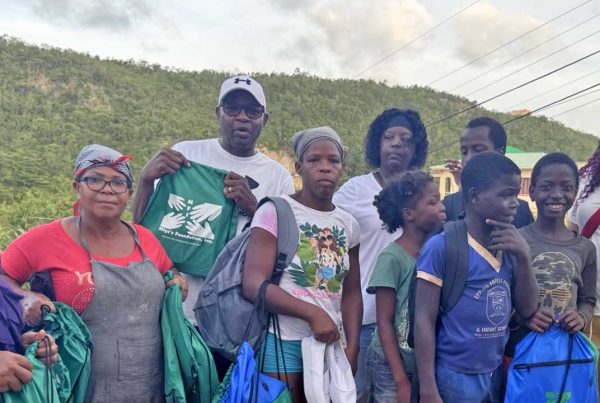
When Maxwell “Max” Muska (MAMFT ’26) began working with young people at First Presbyterian Church in Shelbyville, Indiana, he quickly discovered that being present sometimes meant confronting needs he wasn’t yet equipped to address.
Muska came to Indiana in March 2020 and joined the church as Associate Pastor, having already completed seminary and earned his Master of Divinity. Much of his work focused on youth ministry. Many of the young people who found their way to the church were struggling to find a sense of belonging elsewhere. Some were navigating difficult family circumstances, mental health concerns, and generational patterns that church leaders hoped to help them overcome.
Muska could listen. He could mentor. He could offer pastoral support. But he also began to recognize the limits of what he could provide without clinical training.
“We could be mentors and listen,” he recalled, but providing direct mental health care required something more. That realization eventually led Muska back to school—and to Christian Theological Seminary.
Today, that journey has taken him from youth ministry to earning his Master of Arts in Marriage and Family Therapy at CTS, participating in the 2025–2026 FAHS Minority Fellowship Program, and beginning a career in community mental health.
Finding the Right Path at CTS
Muska first explored CTS in 2022–2023, initially considering the Clinical Mental Health Counseling program. When his mother’s health declined, he spent significant time traveling back and forth between Indy and his hometown of Pittsburgh to help care for her, which led him to postpone graduate school.
After his mother’s passing in late 2023, conversations with people in the CTS counseling programs had helped him recognize that marriage and family therapy was a better fit for what he hoped to accomplish.
He began the MFT program in spring 2024, and he arrived with a plan.
Muska remembers thinking he would go to class, earn his degree, avoid getting too involved, and move on.
“Thankfully,” he said, “that isn’t what happened.”
He soon connected with classmates, faculty, and supervisors and discovered a level of collaboration he had not expected. Attending MFT Live as a pre-practicum student was particularly influential, giving him an opportunity to see how much learning could happen in a collaborative clinical environment. Eventually, Muska joined the student leadership team and served as a program assistant during the MFT program’s reaccreditation study.
“CTS was a really collaborative environment, really welcoming,” Muska said. “We all supported one another.”
A Fellowship Focused on Community
Muska first learned about the Foundation for the Advancement of Human Systems (FAHS) Minority Fellowship Program from CTS faculty before he even enrolled. Later, an information session about the program brought the opportunity back to his attention.
This time, it clicked.
The fellowship’s emphasis on preparing mental health professionals to serve communities aligned closely with the kind of clinician Muska hoped to become, particularly his interest in serving LGBTQ+ youth and other populations who may experience barriers to mental health care. He applied without expecting to be selected.
Then came the news that he had been chosen as a 2025–2026 Master’s Fellow.
Through the fellowship, Muska participated in professional development, educational webinars, mentoring, and collaborative work with other fellows. Participants documented their academic and clinical progress, developed professional plans for their careers, and worked in small groups to design community-based mental health interventions.
For Muska, the latter brought him back to experiences that had helped send him to CTS in the first place.
Responding to Youth Suicide Through Community
During Muska’s ministry in Shelbyville, the community experienced multiple deaths of young people by suicide. One individual in the youth group experienced the loss of his best friend and then his sibling within the course of one year.
The losses affected not only their families but also other young people throughout the community. Muska began asking questions that would later inform his clinical interests: How does a community support young people grieving the death of a peer? How can it respond to trauma while reducing the risk that other young people will experience suicidal thoughts or behaviors?
Those experiences made his fellowship group project especially meaningful. His group developed a proposal focused on reducing suicide risk among youth populations.
Muska’s research reinforced something he had already begun to understand through ministry: individual care matters, but communities themselves also play an important role in healing.
“What I learned—from research articles and long-term studies of communities affected by youth suicide—is that community-based interventions, particularly group therapy or groups that come together that invite these kids to talk about their experiences, make a major difference in lowering the rate of suicidality and depression among those youth,” Muska said.
For him, the research underscored the importance of sustained community involvement.
“The community coming alongside these kids and helping them process their grief helps lower that risk.”
Learning Across the Mental Health Field
The fellowship also gave Muska opportunities to learn alongside mental health professionals from across the country.
At an intensive training institute in St. Louis, he attended workshops on community mental health, the 988 Suicide & Crisis Lifeline, burnout prevention, and using systemic approaches to promote change within communities. Just one day after completing his CTS capstone presentation, he was on a plane headed to the institute.
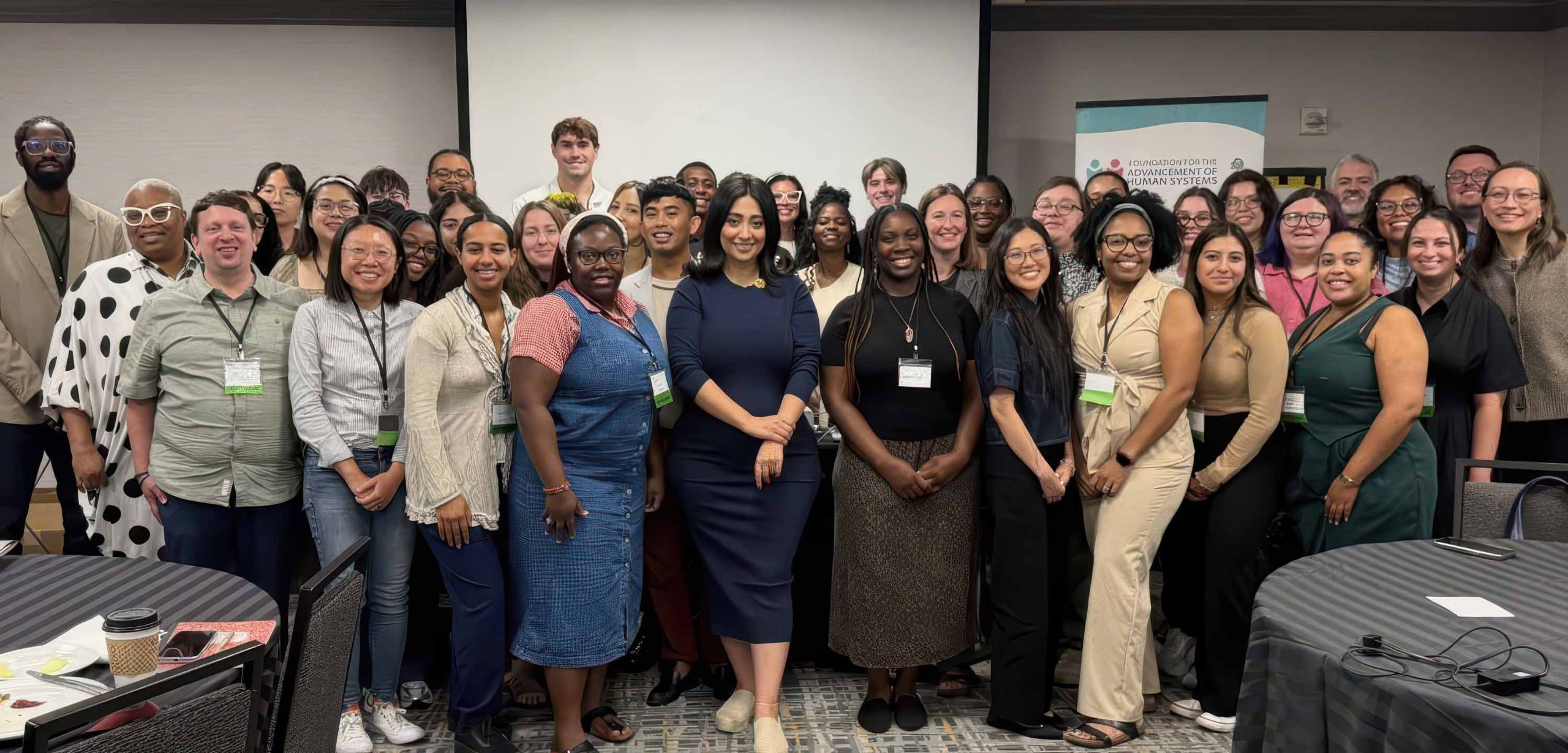
He also participated in a multidisciplinary summit in Washington, D.C., bringing together fellows and professionals from marriage and family therapy, psychology, social work, and other disciplines. The gathering explored how mental health professionals can move beyond disciplinary silos and provide more integrated care.
Mentorship provided another important connection. Muska was paired with a graduate of the fellowship and used their conversations to explore questions about working in community mental health while eventually developing a private practice—and how to build a sustainable career without burning out.
That combination closely resembles Muska’s own vision for the future. After reaching full licensure, he hopes eventually to maintain a private practice while continuing to work in community mental health.
In fact, the fellowship already played an unexpected role in that next chapter: Muska found the community mental health position he now holds with Aspire Indiana Health while attending the intensive training institute and submitted his application from there.
A Connection That Continues
Although Muska has completed the student portion of the fellowship, his connection to the program is not ending.
His cohort has transitioned into the fellowship alumni network, where former fellows can continue connecting, sharing accomplishments, and supporting one another. Alumni may also return as presenters or volunteer as mentors for future fellows.
That continuing network reflects something Muska has encountered throughout his journey—from the young people and families who first shaped his vocational direction to the collaborative community he discovered at CTS and the national network of mental health professionals he has met through the fellowship.
His path has changed since he first arrived in Indiana as a pastor in 2020. But the purpose underlying it has remained remarkably consistent: being present with people, strengthening communities, and helping young people and families find support when they need it.
For other CTS students considering applying to the FAHS Minority Fellowship Program, Muska’s advice is much simpler than the journey that brought him there.
“Apply!” he said. “It’s absolutely worth it. It’s a tremendous experience.”