Connecting for Impact: How the Faith & Action Project Fosters Shared Learning and Lasting Change
Getting organizations in the same room to have a shared learning experience and helping them take time to make connections is exactly what the Faith & Action Project does – and the benefit it provides to its program attendees who are collectively working toward reducing poverty in Marion County. Over the past 10 years since its beginning in 2016, the Faith & Action Project has witnessed how lasting change requires ongoing learning, alignment, and a shared collective vision.
“We are intentional about who we invite as speakers and guests to our spring and fall conferences,” said Director Lindsey Nell Rabinowitch. “We want to share best practices with the faith, community, business, and government partners in the room and hope they ask, ‘what role can I play?’”
And the participating partners could not agree more!
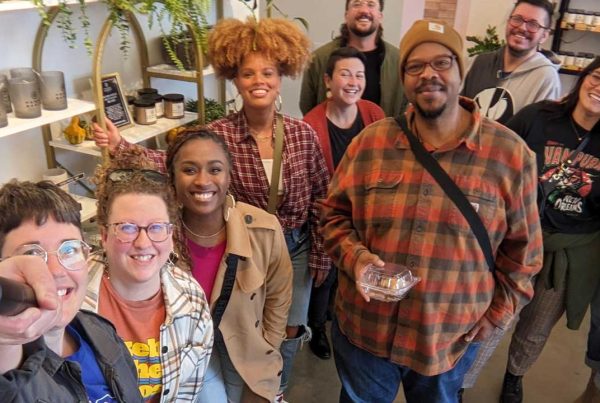
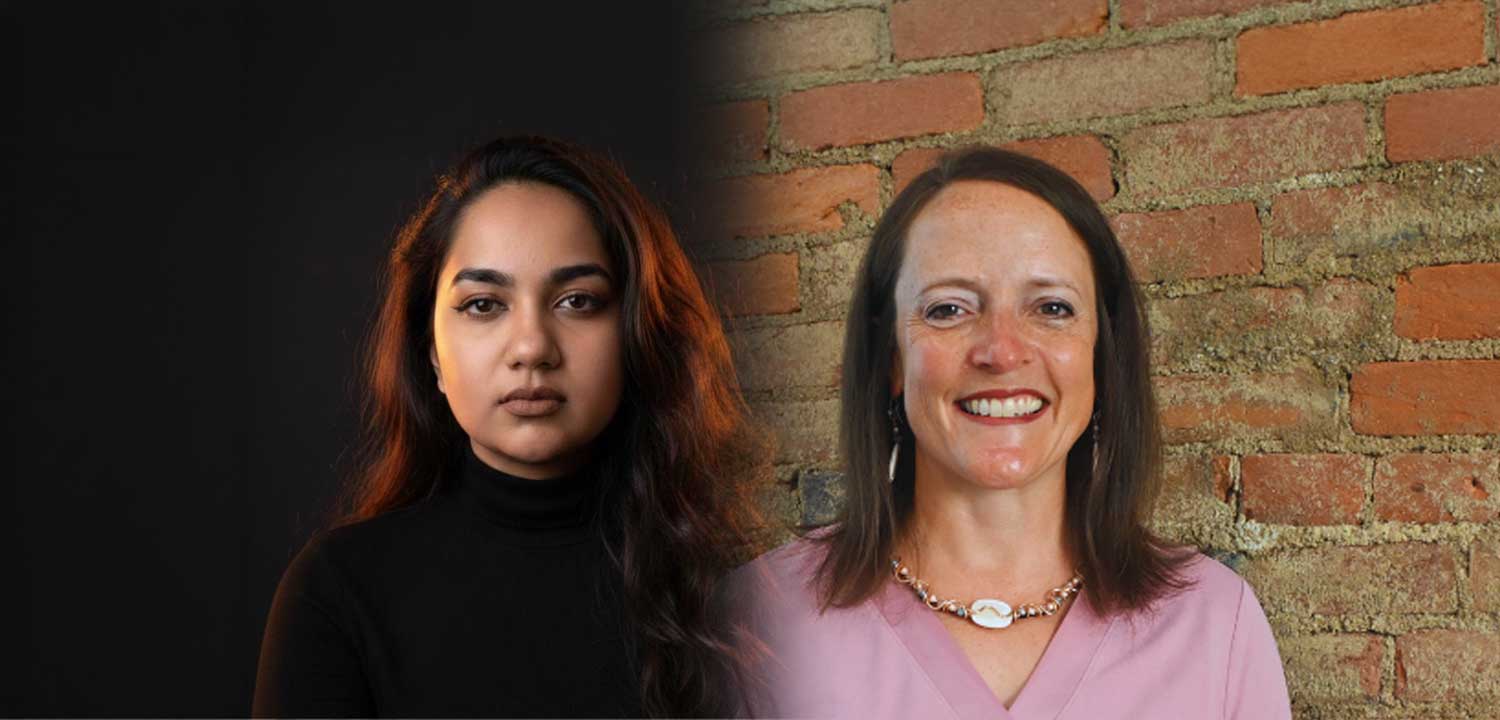
“To be in the room with others was a fantastic experience for us,” said IYG – Empowering Queer Young People Grants and Compliance Manager Anamika Krishnan. “It was really affirming to see so many faith-based, non-faith based, and queer non-profits in the room.” IYG serves young people (12-24) who identify as LGBTQ+ and their peer allies.
We Bloom Center for Growth’s Co-Founder and Executive Director Beth Kreitl agreed. “I think the success of the Faith & Action Project speaks to the reputation of CTS in the community. They are very inclusive, trauma-informed, and equity focused in everything they offer.” We Bloom offers a place for people to “encounter love, heal trauma, and connect.”
Both organizations have received funding through the Faith & Action Project, which invests in initiatives providing holistic pathways out of poverty for families and individuals. Rabinowitch acknowledged that there are many great organizations doing work in the community, but they often work in silos – not even knowing about each other. Connecting these providers not only allows them to amplify their impact but also not duplicate services.
“I think that so many programs can only focus on the clients they are serving because the needs are so great,” Rabinowitch said. “It’s critical to create spaces for shared learning, collaboration, and referrals. Our goal is to cultivate spaces where learning and relationships intersect—building a more connected ecosystem where organizations coordinate more effectively, strengthen referral pathways, and achieve better outcomes together.”
We Bloom supported the holistic approach that Faith & Action Project models. “The work we do is collective and there is clear alignment (for us) in addressing systematic barriers. That is how we can all begin to thrive.”
Both IYG and We Bloom have been particularly engaged in the commitment to mental health services through Faith & Action initiatives. Understanding that trauma is a wound that disrupts safety, identity, and connection allows leaders to more effectively support individuals facing poverty with a trauma informed lens and to help individuals restore dignity, hope, emotional stability, and wholeness. Both these organizations create safe spaces and systems to allow that to happen.
IYG is headquartered on the south side of Indianapolis but has four satellite locations in Crawfordsville, Columbus, Evansville, and Crown Point. Their strategic goal is to exist in enough locations that queer youth and their allies would have no more than a one-hour drive to receive services. Each location offers a one-stop shop model for users to access the Basic Needs Program and counseling services. The former includes food pantry, hygiene resources, and other concrete supplies. Those in Crawfordsville, Crown Point, and Evansville can also access the counseling services located in Indianapolis and Columbus via telehealth appointments.
IYG was founded in 1987 and is the oldest continually operating organization serving LGBTQIA+ youth. In 2025, they served over 900 youth in Indianapolis. Natasha Chopra, IYG’s Director of Mental Health Services, said that in addition to seeing over 80 people in counseling last year, the program connects clients with other providers – with housing and employment being at the top of their referral list.
We Bloom was created to offer an intentional, welcoming space for people in recovery to connect, Kreitl said. While their Recovery Café model serves people 18 and older, they also have a Youth Café program for those between the ages of 12-18. The spaces allow participants to “co-create their own community, which is a space for healing, love, and justice,” she added.
Kreitl added that in addition to the opportunity to gain experience and collaborate with community partners, she values the data that the Faith & Action Project has been able to provide. “They help give us numbers and words to prove what we know is true.”
Faith & Action hosted its 2026 Spring Conference in March with keynote speaker Dr. Chanequa Walker-Barnes talking about how to move from trauma to transformation. Both Krishnan and Kreitl received help from her presentation about traumagenics which is a shared social trauma, not just a personal experience.
According to Walker-Barnes in her address, we live in a traumagenic environment – a society whose structures, norms, and narratives routinely generate harm, stress, and disconnection, particularly for minoritized communities. Drawing from psychology, public health, and spirituality, she examined the shared experience of everyday trauma.
“The information during the keynote and breakout sessions caused me to be very introspective,” Krishnan said. “But she also shared many practical suggestions for trauma-informed care.”
“The keynote address continues to resonate with me and informs my work,” Kreitl added. “It was very affirming.”
Organizations who took part in the Spring Faith & Action conference are eligible to submit funding applications for the 2026-2027 Faith & Action Grant Program. Both IYG and We Bloom received funding in the 2025-2026 cycle. Grant awards will be announced in July 2026.