Ten Years of Reflection for the First PhD in African American Preaching and Sacred Rhetoric Program Graduates
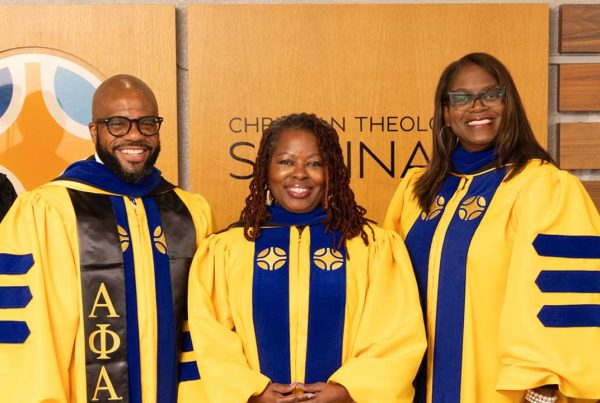
Accredited by the Association of Theological Schools ten years ago in 2016, the CTS School of Theology’s Doctor of Philosophy (PhD) program in African American Preaching and Sacred Rhetoric celebrated its first ever graduates at Commencement in May 2024. The program’s first four graduates recently reflected on that milestone, and the common theme of what got them to the program is not what got them through.
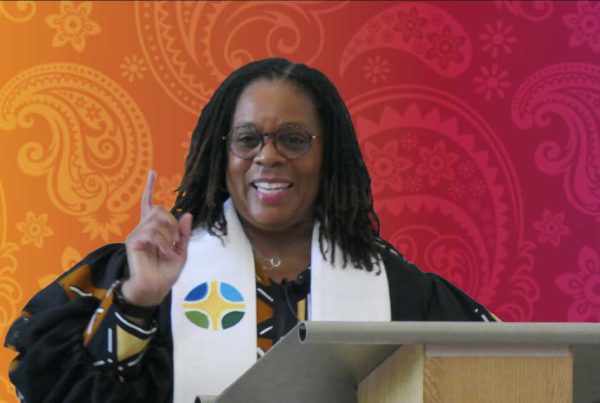
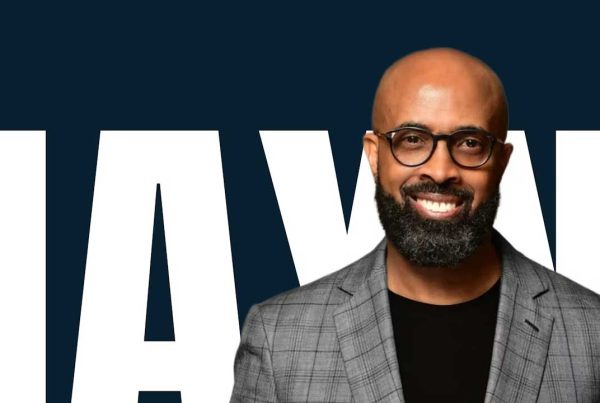
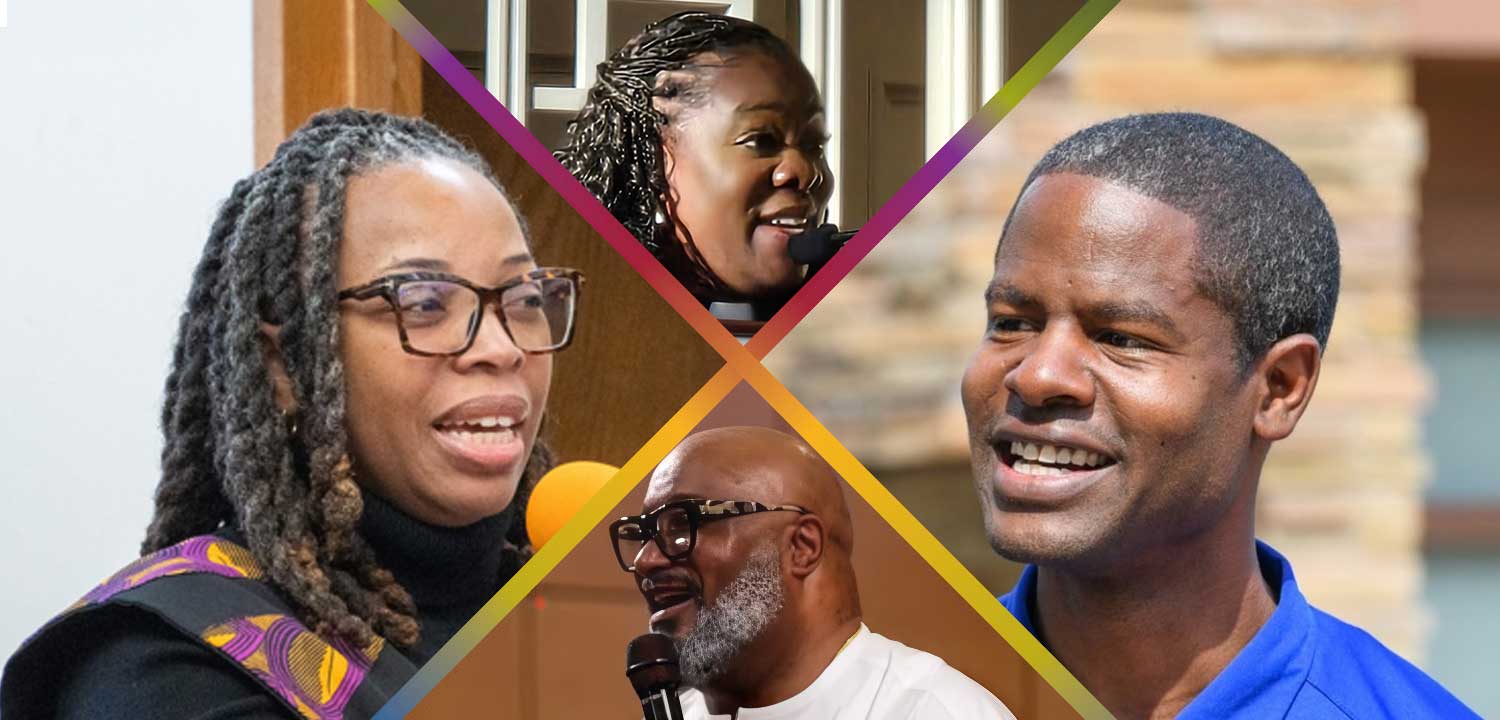
First cohort members Nicole McDonald, Justin West, Jennifer Carner, and Eugene Gibson, part of the self-named Jubilee 50 cohort, participated in graduation ceremonies in 2024. The program remains the world’s first academic opportunity of its kind where practitioner-scholars research, develop, and expose the untold treasures of the unique and indigenous American art form of African American Preaching and Sacred Rhetoric.
The four agreed that they were drawn to the program not only by its uniqueness but by the chance to study under Dr. Frank Thomas, the visionary founder of the program. Thomas transitioned from Program Director of the degree program to the Director role with the Compelling Preaching Initiative in 2023 and fully retired in December 2025. “I continue to hold fast to the vision articulated by Dr. Frank A. Thomas—that African American preaching has the power to invoke a Christian renaissance in the world,” Carner said.
“Because of him, I fell in love with the art, science, and tradition of African American preaching,” said Gibson.” Both McDonald and West agreed that being able to learn from Thomas was too good of an opportunity to miss.
Thomas was well known for this vision of connecting preaching and academics with critical awareness of history, theology, and the sacred rhetoric and traditions of African Americanism. His vision was the driving force of the PhD program which appeals to candidates from the pulpit and the university classroom.
“At the time, I could not have imagined that this decision would lead me into a community of some of the most gifted preachers, scholars, and generous colleagues I have ever encountered,” Carner said.
While these three students agreed that it was the potential of working with Thomas that preceded their applications, it was the cohort model, sharing the experience with like students, that helped them survive the rigorous program.
“One of my best memories of the program is the journey with my brilliant and supportive cohort,” West said. “The bonding that took place and the relationships that were established were profoundly impactful.”
McDonald agreed, describing the cohort as a “blessing and life-giving.” She specifically recalled fellowship dinners and friendly academic arguments as some of the most formative activities of the PhD experience.
“We prayed for one another, supported one another, and made decisions not in isolation, but in shared responsibility” said Carner. “That experience embodied for me what practical theology looks like when it is lived, not just studied.”
“The wisdom and brilliance of my cohort continue to have a profound influence in my life; journeying with them made me a better scholar, preacher, and person,” added West. Members of the original cohort have remained close, even collaborating on projects and publications.
The program was intentionally designed around this cohort model. Students complete their studies in a small group with an initial focus on course work followed by comprehensive exams and culminating with a written dissertation. The PhD program starts a new cohort every three years. These small groups are meant to be supportive and not competitive, encouraging each participant to maximize their best efforts and abilities.
Another experience that these students shared was the COVID-19 pandemic and its impact on academics. Carner wonders how significant the pandemic’s impact was on their experience. “COVID inevitably limited our time together in physical space. While our cohort cultivated a strong and genuine bond through virtual engagement, I do wonder how our relationships—and even our collaborative scholarship—might have developed with more sustained in-person interaction.”
While there may have been some fine-tuning suggestions that the first year PhD students made about the exam and dissertation process, all agreed that it was a fulfilling, rigorous, and life-changing opportunity.
“In many ways, the choice became both an academic and vocational turning point—one that deepened my commitment to preaching as a sacred, communal, and transformative practice,” Carner said.
Gibson wants potential students to know that this is not just “an elevated program you take just to get a Dr. in front of your name. If you give yourself to this process, you will not leave the same way you came. You will be a scholar-practioner.”
All four graduates emphasized that the impact the program had on their writing before finishing has continued; in fact, West would encourage incoming students to “write with your dissertation in mind and write to publish.”
Carner encourages incoming students to “Trust your gift and trust the process. As you immerse yourself in the literature, engage critical conversations, and remain attentive to your own intellectual and spiritual curiosities, your research trajectory will begin to take shape.”
West added that some aspects of his dissertation on Howard Thurman have been submitted for publication. McDonald has a book coming out in 2026 from The Pilgram Press as well as chapters in books being published. Gibson also has used his skill in co-editing book volumes and has his first journal article coming out this year. Carner, too, is under contract for publication.
McDonald and Gibson both highlighted the PhD program’s emphasis on communication and the Scholarship Matrix (learning the field, critiquing the field, and contributing to the field) as practical resources that have helped them in the “real” world. Both tools have helped spark creativity and high-quality work.
Carner added, “This program gave me the language to articulate the vibrancy and theological depth of the preaching tradition that has shaped and sustained me. It helped me to name what I had long experienced—that African American preaching is not only expressive, but intellectually rigorous, ethically grounded, and spiritually transformative.”
All four of these graduates noted that the expertise that they developed has allowed them to excel in teaching positions as well. Creating academic opportunities is one of the basic designs of the program.
Jennifer Carner
Director of the Preaching in a Post Christian Age Initiative, Pittsburgh Theological Seminary, Pittsburg, PA
Eugene L. Gibson, Jr.
Assistant Professor of Homiletics and Church Leadership, Methodist Theological School in Ohio, Delaware, OH (tenure track)
Senior Pastor, Mt. Olivet Baptist Church, Columbus OH
Nicole McDonald
Adjunct Faculty at Christian Theological Seminary teaching Gender, Sexuality, and Theology
Adjunct Faculty at Chicago Theological Seminary Teaching Queer Womanist Preaching
Adjunct Faculty at Ball State University teaching MSW – Diversity, Oppression, and Privilege
Adjunct Faculty at Lexington Theological Seminary teaching two classes: 1. Worship and Preaching in the African American Church and 2. Building Bridges of Understanding Regarding Human Sexuality
Adjunct Faculty at Memphis Theological Seminary teaching DMin – Womanist Rhetoric, Criticism, and Theory
Justin West
Executive Director of the Wackerlin Center for Faith and Action at Aurora University