2026 Faith & Action Spring Conference: Trauma to Transformation
Healing Solutions for Children, Families, and Leaders
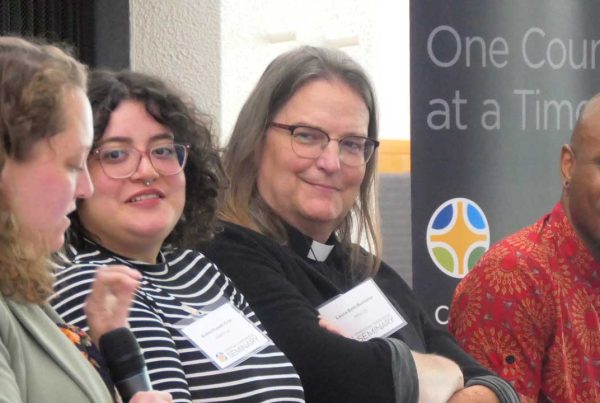
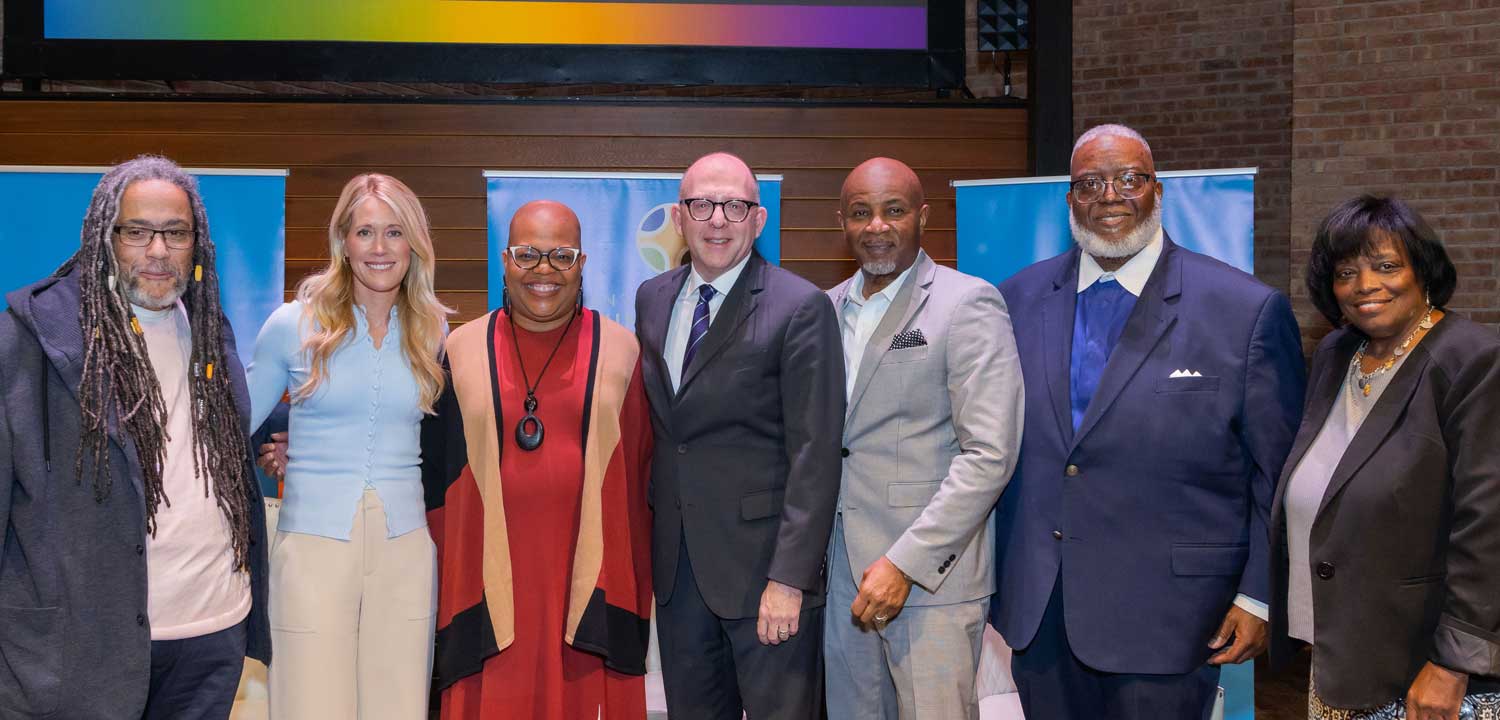
With a calm yet dynamic presence, therapist and theologian Chanequa Walker-Barnes, PhD grounded more than 300 faith leaders, practitioners, and community partners gathered for the 2026 Faith & Action Spring Conference to explore how communities can respond to the growing reality of trauma with wisdom, compassion, and collective action. Dr. Walker-Barnes framed the moment clearly: “Trauma is no longer the exception, it is part of our daily existence.”
Poverty, violence, instability, and chronic stress shape the lives of many individuals and families. Recognizing this reality requires a shift in perspective—from asking what is wrong with people to asking what has happened and what systems continue to cause harm. Trauma-informed responses, presenters noted, begin by restoring agency, dignity, and control.
What follows are key lessons from the 2026 Spring Conference:
Understanding Behavior Through a Trauma Lens
Conference speakers emphasized that behaviors often labeled as resistance—withdrawal, exhaustion, or disengagement—are frequently survival responses to prolonged stress. When viewed through this lens, the challenge becomes less about correcting individuals and more about building systems capable of holding what people are carrying.
Participants repeatedly returned to a central insight: people are not failing systems. Systems are often failing people.
Resilience and Accountability
While individuals possess remarkable resilience and capacity for healing, speakers cautioned against allowing resilience to excuse harmful systems. True progress requires both recognizing people’s strengths and holding institutions accountable for the conditions that produce trauma.
Restorative justice models were highlighted as one promising example—bringing schools, courts, and service providers together to center on healing rather than punishment.
Restoring Agency and Partnership
Across panels and breakout sessions, healing was described as restoring what trauma often takes away: safety, agency, and dignity. This work shifts the focus from fixing people to walking alongside them as they rebuild stability and reclaim choice.
Solutions grounded in partnership—rather than intervention—allow communities to draw on people’s strengths, culture, and lived experience.
The Unique Role of Faith Communities
Faith communities were recognized as uniquely positioned to support healing because they already cultivate relationships, belonging, and shared purpose. Yet conference presenters emphasized that congregations must evolve how they address trauma and mental health.
Stronger collaboration between faith leaders, clinicians, and community organizations will be essential. These partnerships create the infrastructure needed to respond to trauma with both compassion and evidence-based care.
Healing Happens in Community
Speakers returned again and again to the power of connection. Human nervous systems are designed for relationship, and healing often begins when people feel seen, supported, and safe.
Building community—through shared practices, ritual, and relationships—can restore what trauma disrupts. Leaders were encouraged to cultivate spaces where individuals and families do not face hardship alone.
Beyond Survival Toward Flourishing
Finally, the conference challenged participants to rethink how success is measured. Addressing trauma requires more than services or programs—it requires removing the conditions that keep people in survival mode.
Stable housing, food security, living wages, and strong relationships create the conditions where healing can take root. When communities focus on these foundations, the goal moves beyond crisis management toward human flourishing.
What’s next:
SHARE WHAT YOU LEARNED: If something from these lessons resonates with you, share what you learned.
WATCH THE RECORDING: A recording of the Faith & Action Spring Conference will be coming soon and shared on the CTS YouTube page.
SAVE THE DATE: Mark your calendar for the 2026 Faith & Action Fall Event, Restoring Hope Through Relationships: Mentorships that Support Pathways out of Poverty on Oct. 29, 2026.
QUESTIONS: Contact the Director of the Faith & Action Project, Lindsey Nell Rabinowitch, at lrabinowitch@cts.edu.